
Adivasi children, Maharashtra, 2019
Eighteen months ago, Nanda could not read or write - today she regularly reads stories to her parents! The ADIVASI VOICES PROJECT is changing the lives of Nanda and others in her remote tribal community in Maharashtra, India. Her teacher says, "Thanks to the project there is now 100% school attendance and there are more girls in school than boys. You have helped parents see the value of education.”
The project centres around a simple “speakerbox” with pre-loaded podcasts that have been dramatically changing lives over the last year. Everyday they hear programmes on issues that have enslaved them in a cycle of poverty and injustice for centuries. The head of the village says, “Thanks to your project, we have a new mindset, which has transformed our attitudes and behaviours forever.”
In 2020 this project will expand to 10 new areas, reaching thousands of people, to provide many families with their own solar-powered speakerboxes, with regularly updated content that could literally save their lives.

Soot Semee is helping refugee communities in Northern Uganda to protect children at risk. It is vital that community members know they can trust child protection service providers.

Physical distancing not only prevents people from seeing loved ones, it also exaggerates the separation between people from different community groups.
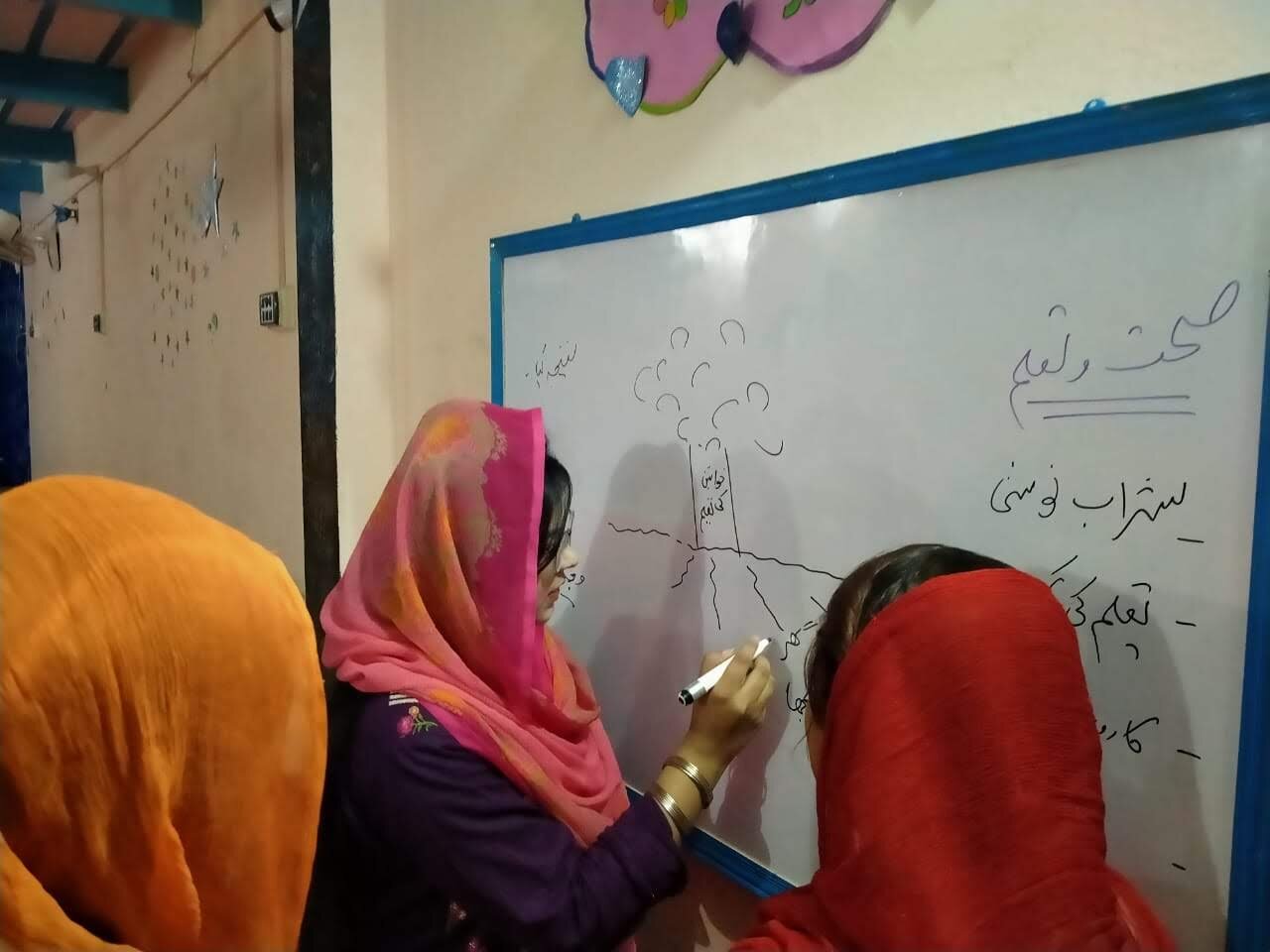
In a world suffering from too many people enforcing their will on others, its really exciting to find this Pakistani youth group who are choosing to listen to their community.

In Omugo 4, where the refugee-led Soot Semee project is operating, community members told us they feel that they are teaching each other and they like it.
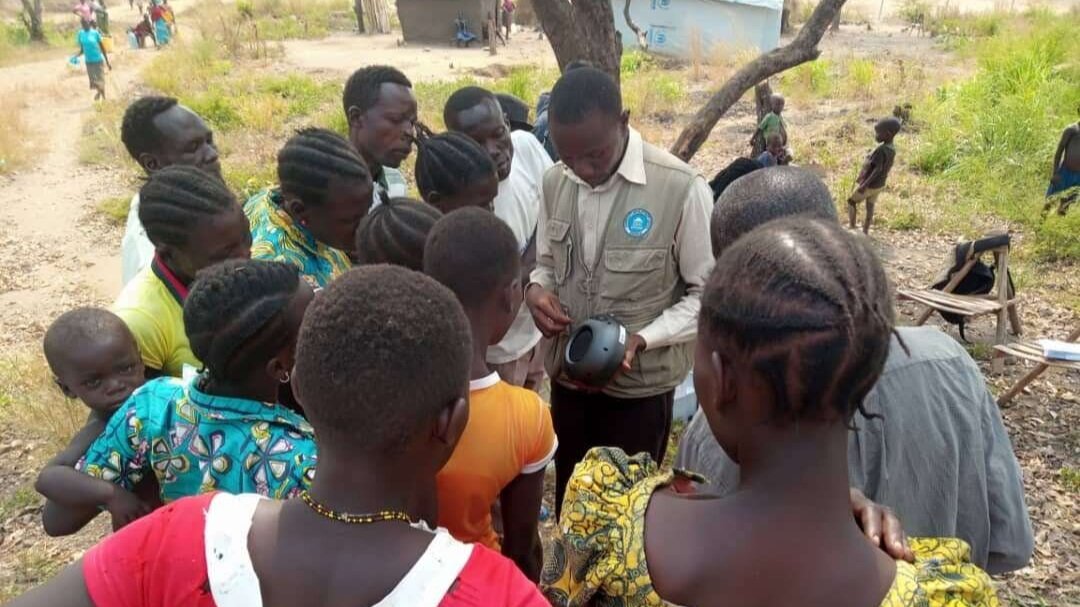
In January 2020, the Soot Semee team in Northern Uganda handed out first Soot Semee podcasts on memory cards to a community of South Sudanese refugees. At the same time, they distributed speakerboxes so that over 100 groups of around 10-20 people each can listen to the podcasts together. One of the community members said …

“It can’t be done” is a phrase the New Dawn community services group won’t accept!
They’ve heard it said that local women can’t talk on the media about topics that are considered shameful in their culture. Determined to see women in their village able to have more control over their health, the team have come up with a solution.

Voice activated speakers like the Google Home and Amazon’s Echo Dot have triggered renewed interest in audio media and boosted the popularity of podcasts according to Reuters Institute. In some places where HCR partners are working, portable speakers with digital audio are key sources for information and entertainment. Increasingly HCR partners are using speakerboxes where there are restictions on using FM radio…
Eighteen months ago, Nanda could not read or write - today she regularly reads stories to her parents! The ADIVASI VOICES PROJECT is changing the lives of Nanda and others in her remote tribal community in Maharashtra, India. Her teacher says, "Thanks to the project there is now 100% school attendance and there are more girls in school than boys. You have helped parents see the value of education.”

In the last week of September I joined a great group of people for a workshop near Arua, Uganda. Some of the group are South Sudanese refugees and others are Ugandans. They have a plan to work together on a media project to improve community health, education and social cohesion in northern Uganda.
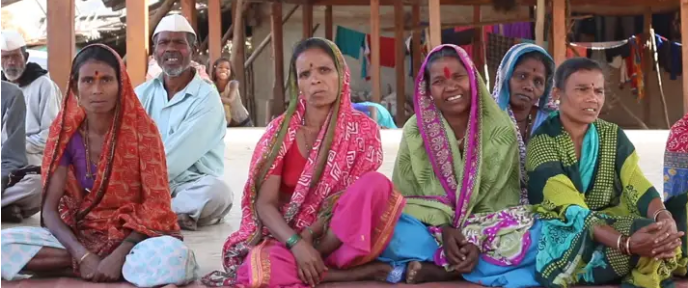
In today's tech savvy world, information is just a click away with our mobile phones and computers, or if those aren't in reach, our televisions and even radios all help keep us informed. But what if we didn't have any of these available to us? How would we find out important health and community information? HCR has been working in partnership with Seva Social Welfare Foundation in remote parts of India’s Maharashtra state, home to many indigenous groups known as Adivasis.